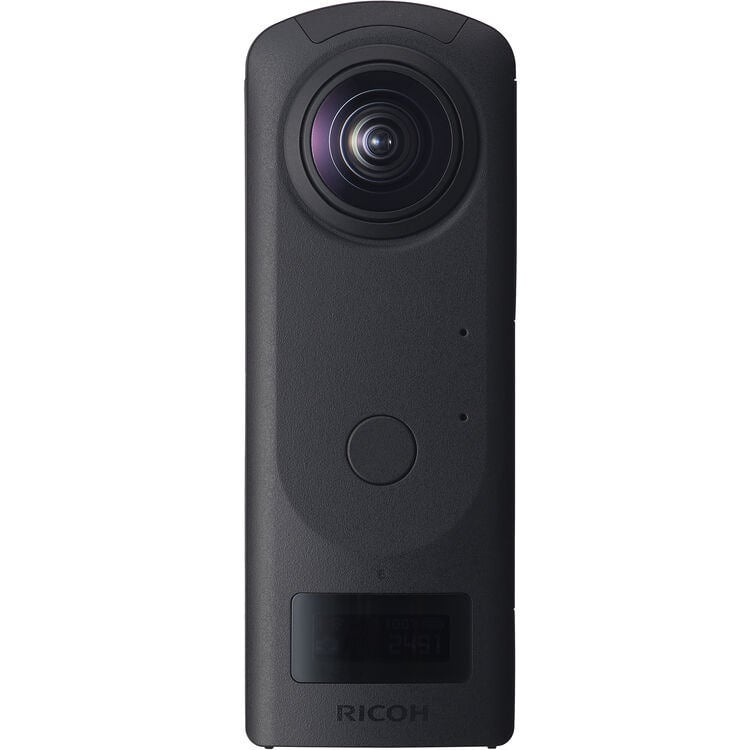
ricoh theta z1
Ricoh Theta Z1
Ricoh Theta Z1 setup instructions for stop motion animation or time-lapse photography with Dragonframe
Supported Versions
Requires Dragonframe 2026.01.1 or newer.
Live View
The Ricoh Theta Z1 provides a live view via its USB connection. The live view size is 1920x960.
Camera Settings
Dragonframe controls the Ricoh Theta Z1 ISO, shutter speed, white balance, capture format, and size.
Considerations
Ricoh support is experimental. We have added some special panoramic tools, and we think it will work well, but panoramic stop motion is not our forte.
Product Info
You can find the Ricoh Theta Z1 manual and specifications at the Ricoh website.
Setup Instructions
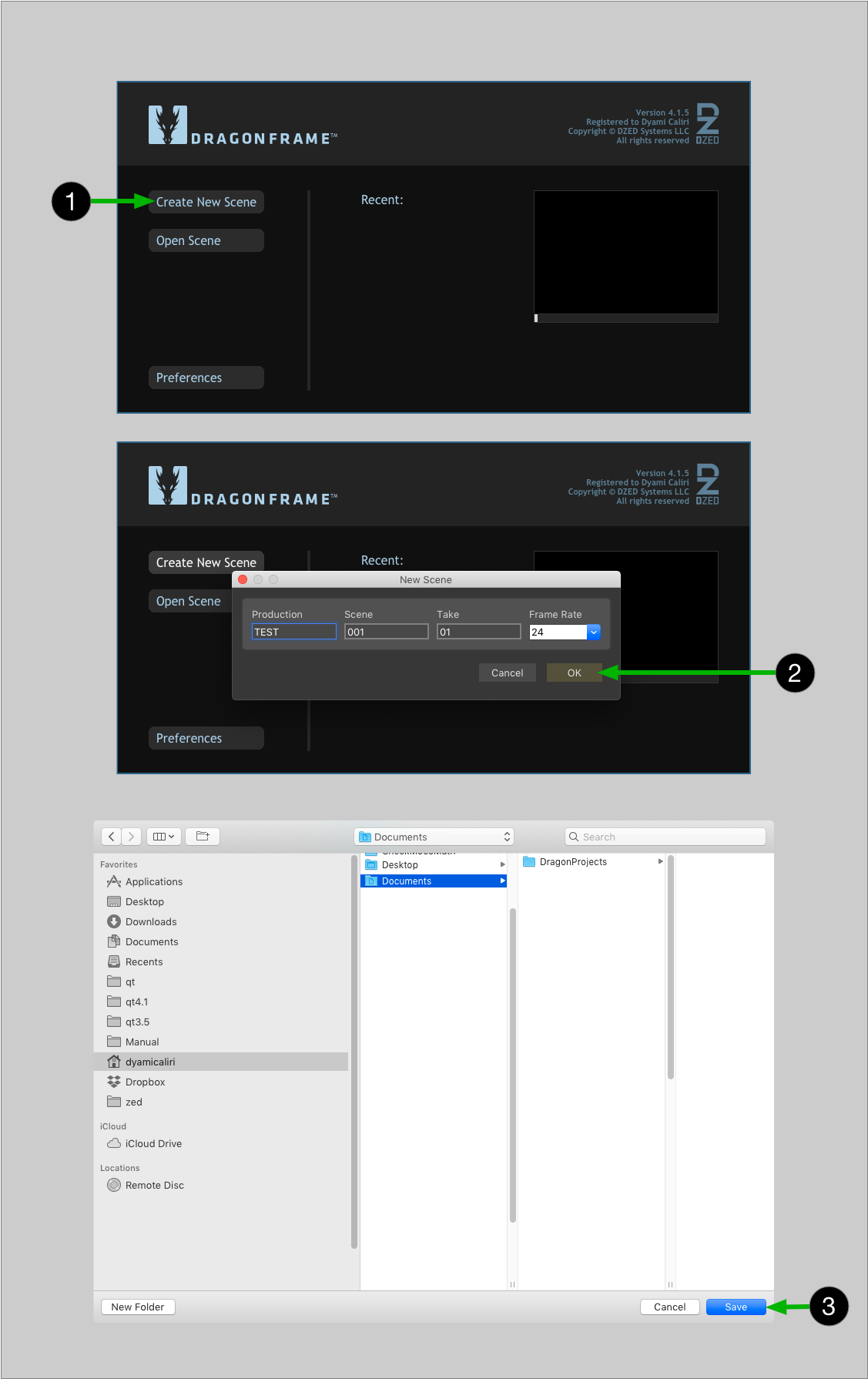
- Create a new scene or open an existing scene. (Dragonframe will not connect to your camera unless you have a scene open.)
- Set up the WiFi connection to the camera using Access Point mode:
- Enable the WiFi Access Point mode on the camera.
- From your computer, join the camera's WiFi access point.
- Go to Scene|Connections and select Configure IP Cameras...
- Select 'Ricoh Theta Z1' as the Camera Type.
- Set the Address to '192.168.1.1'.
- Click OK in that dialog and the 'Configure IP Cameras' dialog.
- Or, set up the WiFi connection to the camera using Client mode:
- Enable the WiFi Client mode on the camera. Ricoh has instructions for how to do this.
- Go to Scene|Connections and select Configure IP Cameras...
- Select 'Ricoh Theta Z1' as the Camera Type.
- Set the Address to the camera's network name, which is 'THETA[SERIAL].local'. For example, if your Theta serial number is 'YN12345678', you would enter 'THETAYN12345678.local'. (The serial number is located on the bottom of the device.)
- For the password, enter 'THETA[SERIAL]:[password]'. For example, 'THETAYN12345678:12345678'. Your Ricoh manual will have information about the default password and changing it.
- Click OK in that dialog and the 'Configure IP Cameras' dialog.
- A 'Panoramic Controls' guide layer will be available within the 'Composition Guides' section of the guide layers.
- These controls allow you to switch between the equirectangular image that the camera produces, and a spherical projection.
- When using the spherical projection, you can use the pan and tilt controls to adjust the viewing angle.
- Proceed to the Cinematography workspace to adjust the camera exposure settings, check focus, and take test shots.