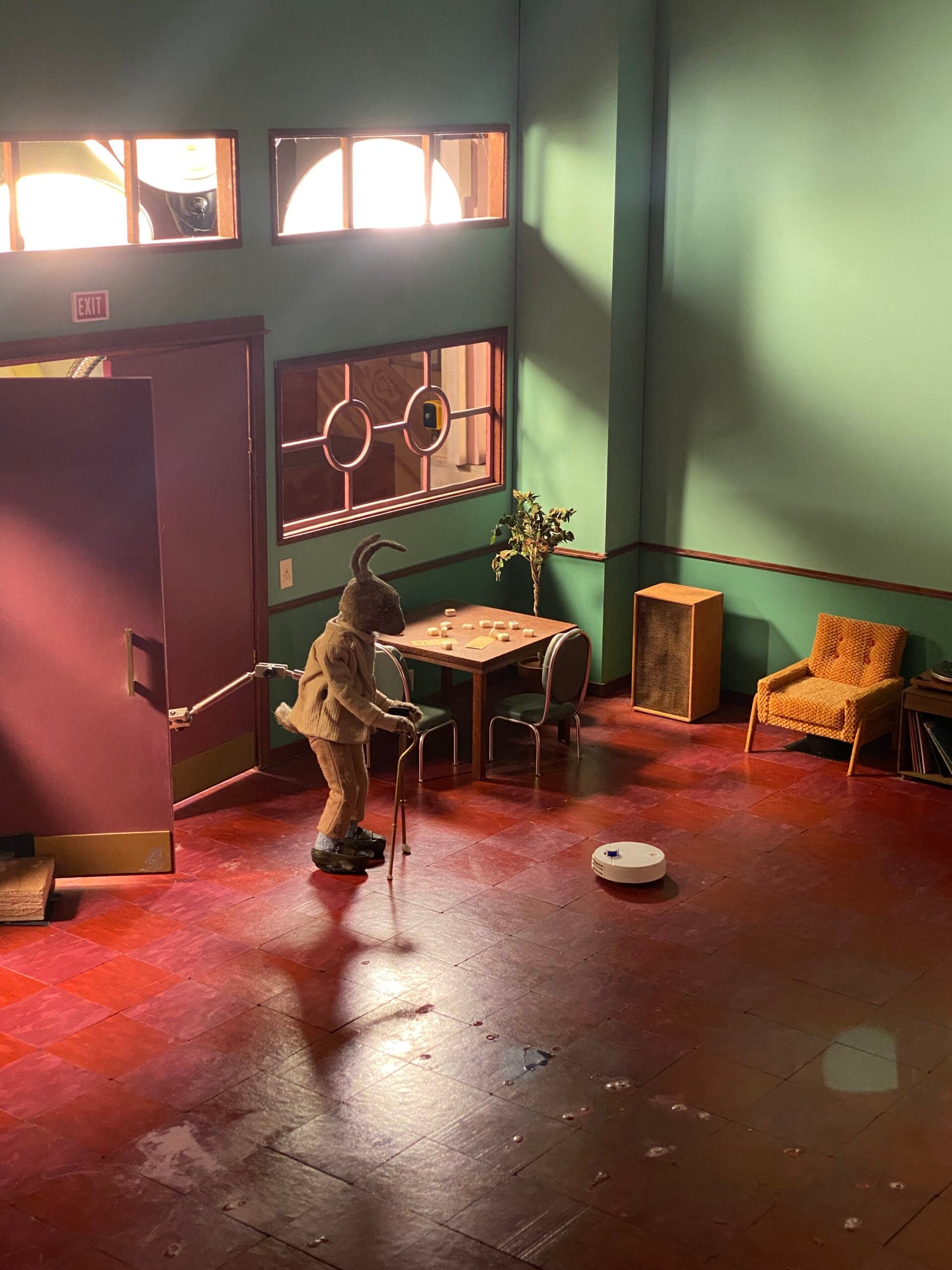
If you’ve ever owned a robot vacuum and not imagined it as a cognizant character with its own personality and reactions, did you even own a robot vacuum? Clearly, director Sean Pecknold has. His short film Tennis, Oranges dives into the life of a robot vacuum such as this—one suffering from burnout at its job cleaning at a hospital, so he breaks out for the day to find a greater purpose on a quiet street where two lonely rabbits are stuck in perpetual loops.
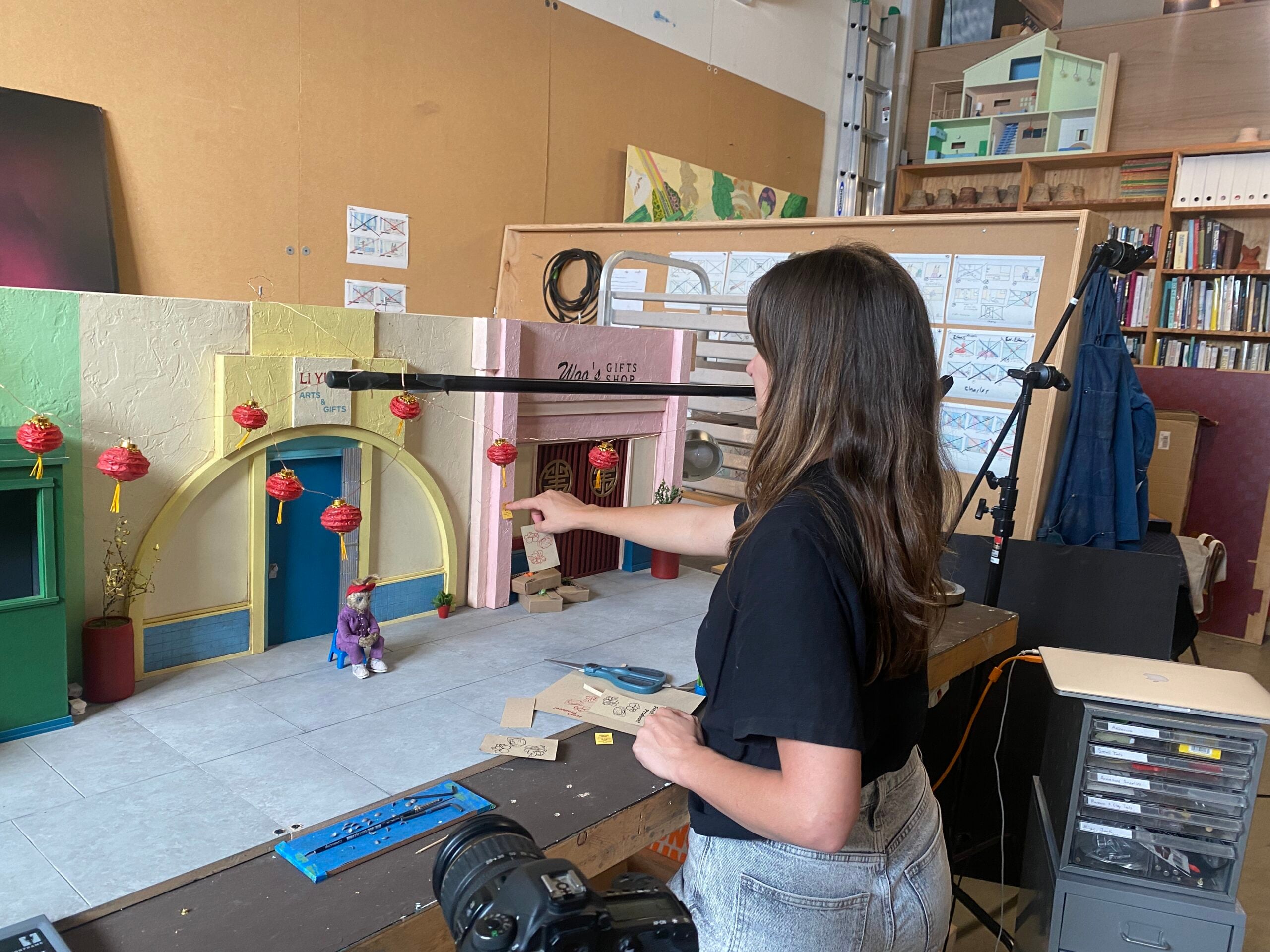
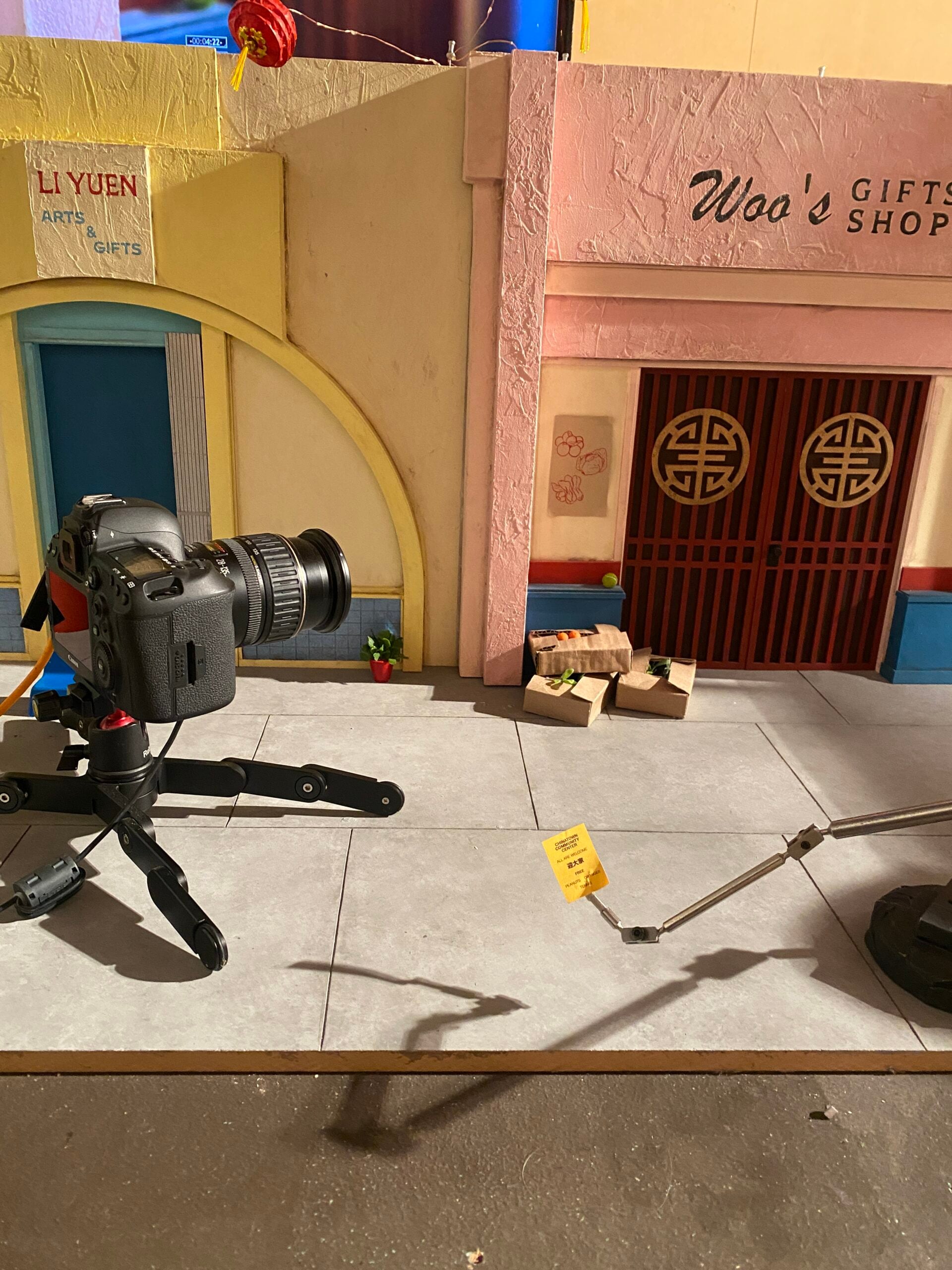
“From 2014 to 2017 my wife Adi Goodrich and I had our creative studio Sing-Sing on a small pedestrian only street in Chinatown, Los Angeles called Chung King Road in an old gift shop called the Happy Lion,” Pecknold told us of the piece’s origins. “I was always inspired by the rhythm of the street, the people, and the faded colors. I wanted to make an animation inspired by the street, and the people we met there.
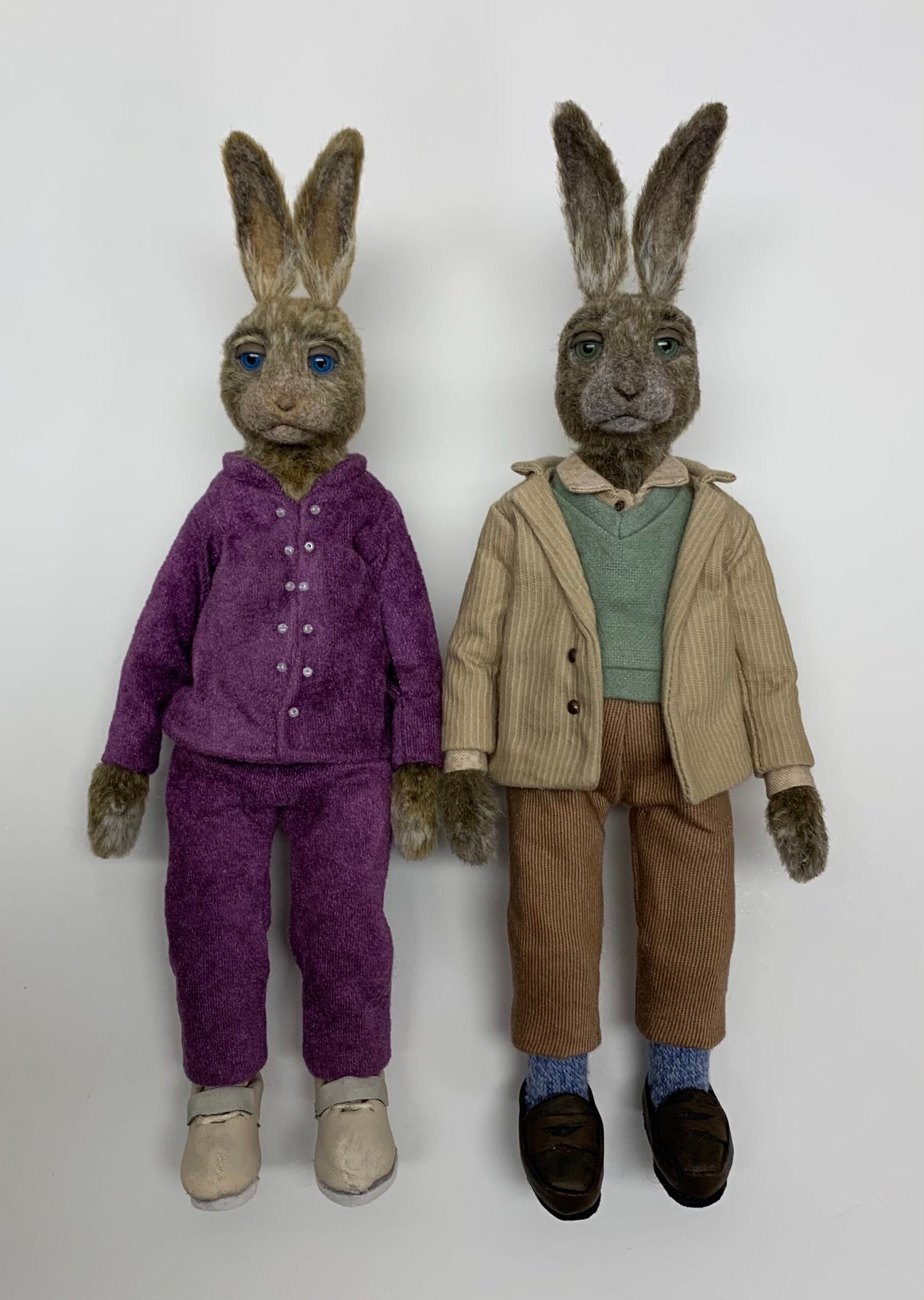
“The two rabbits are based on friends we got to know while working on Chung King Road, and the robot vacuum became a way to bring another character into this world, someone who was also stuck in his own routine and looking for something more. I wanted to tell this story through movement, music, and the way these characters interact with each other, rather than explaining everything through dialogue.”
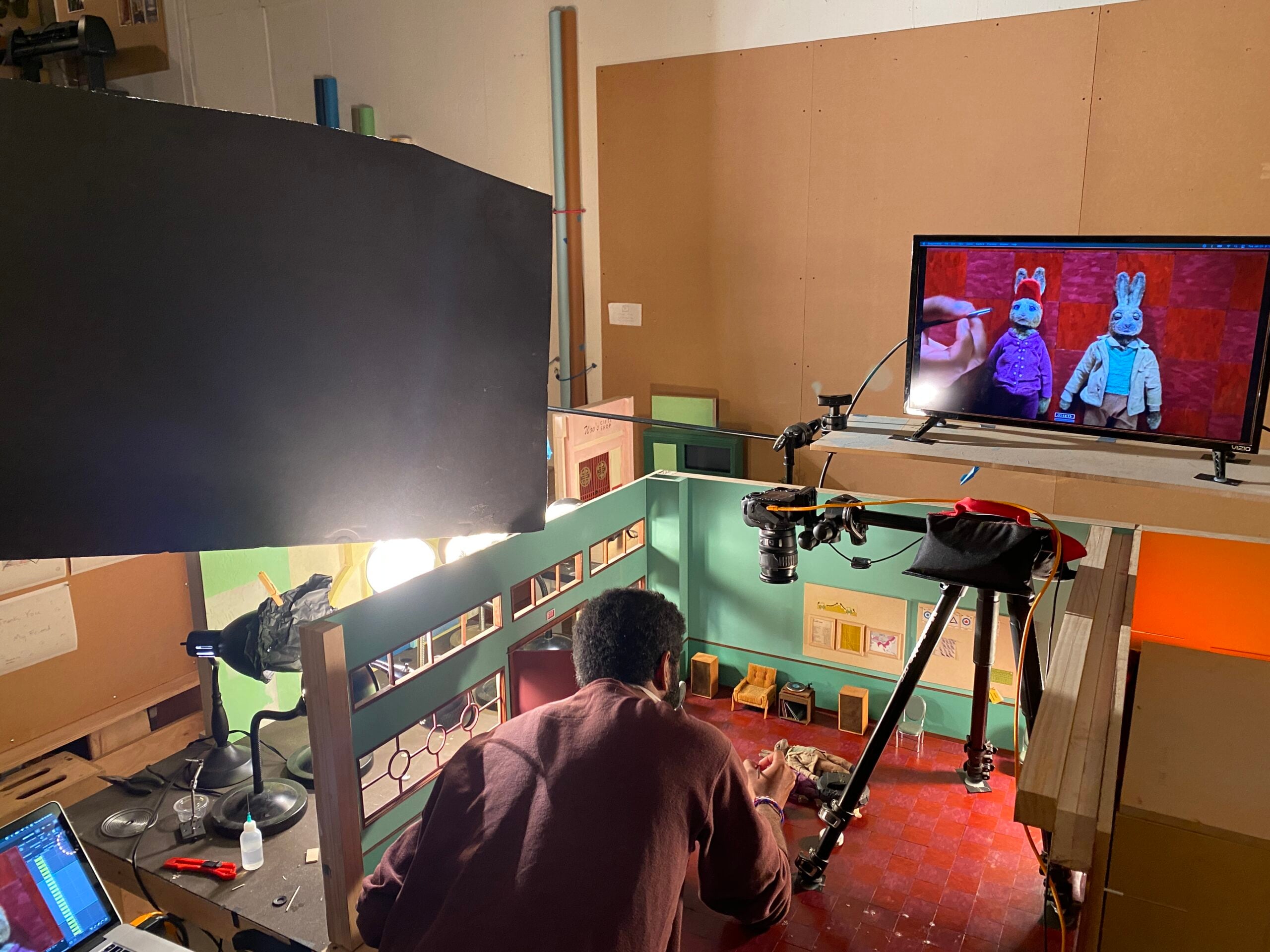
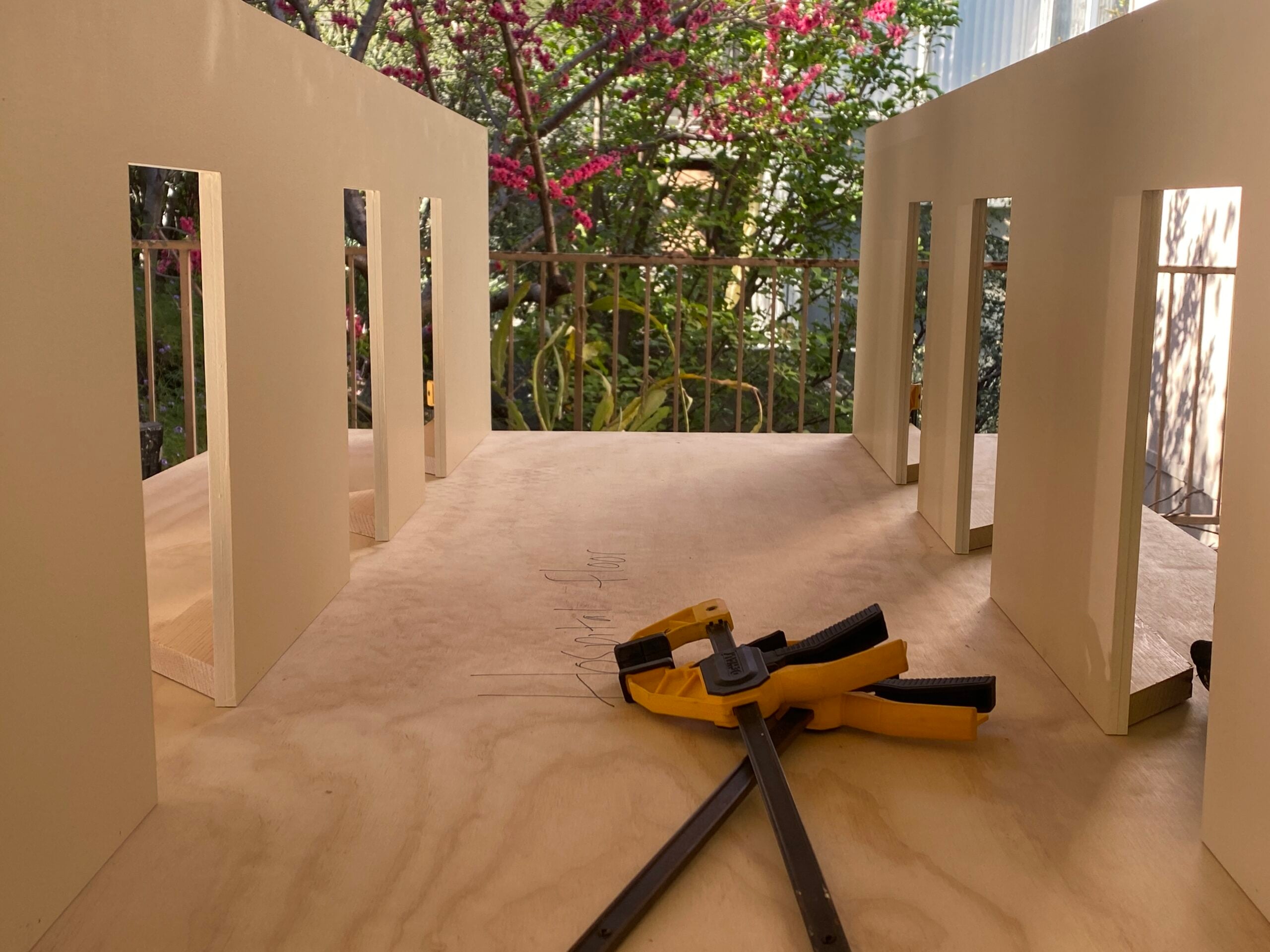
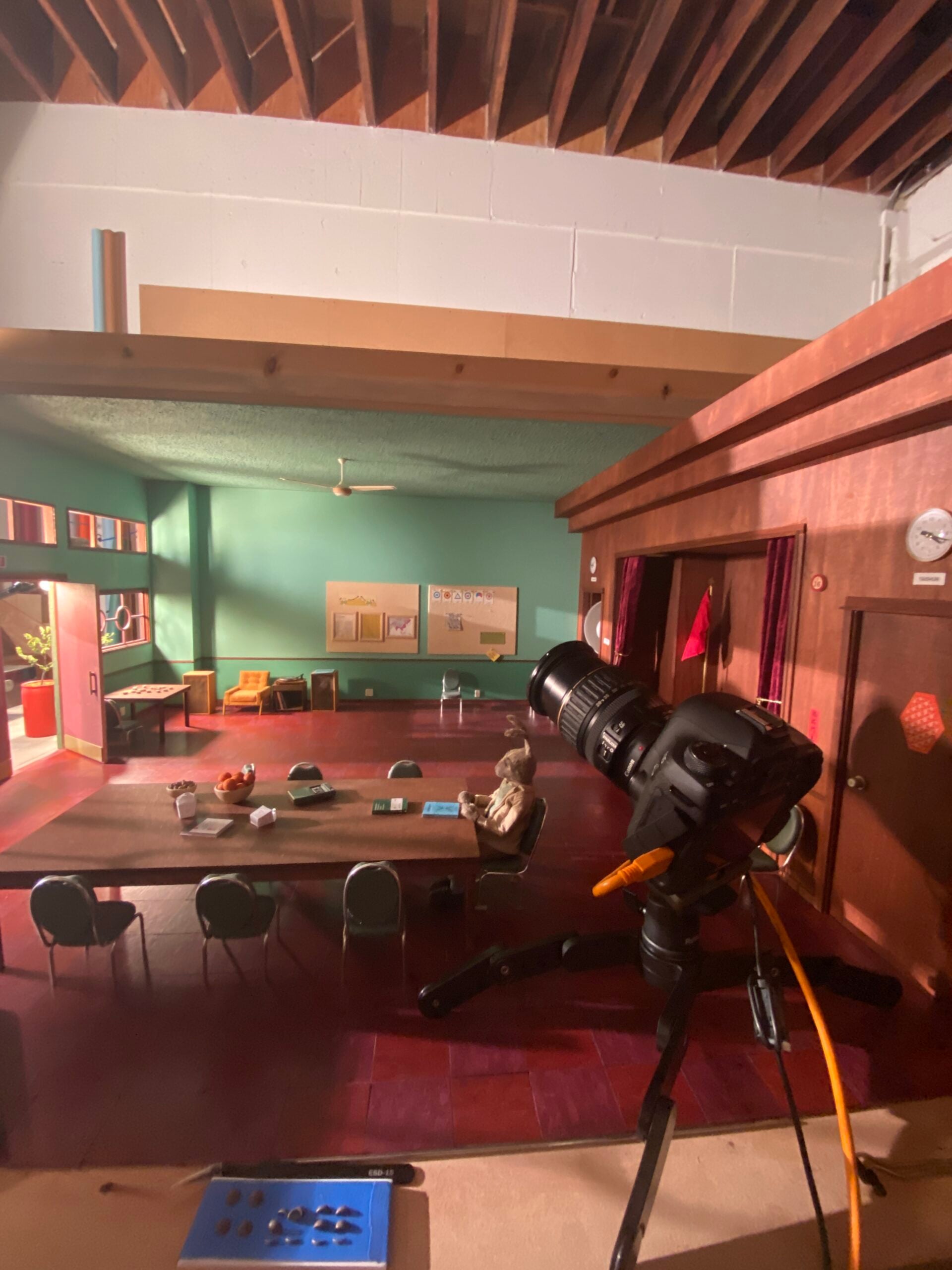
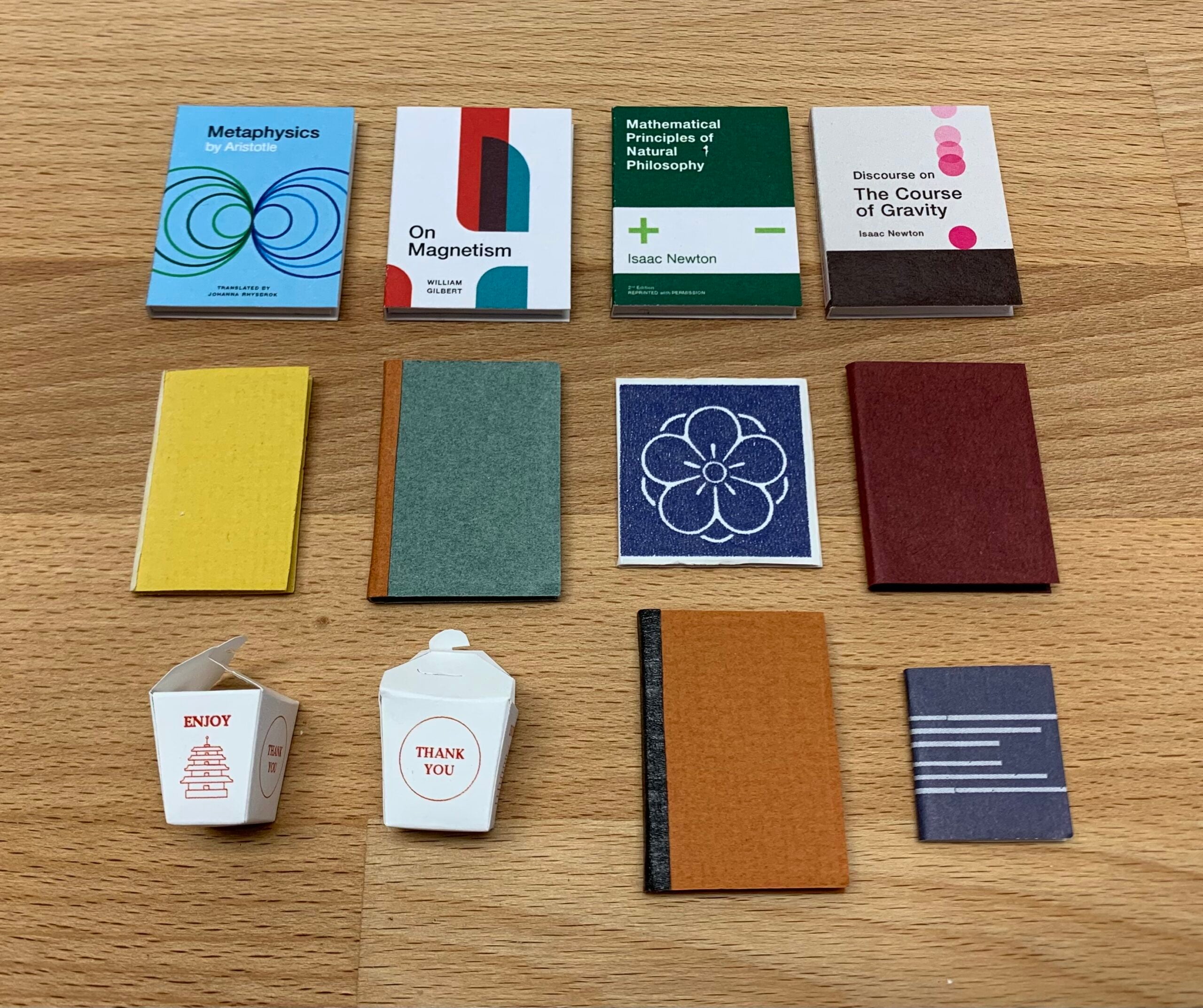
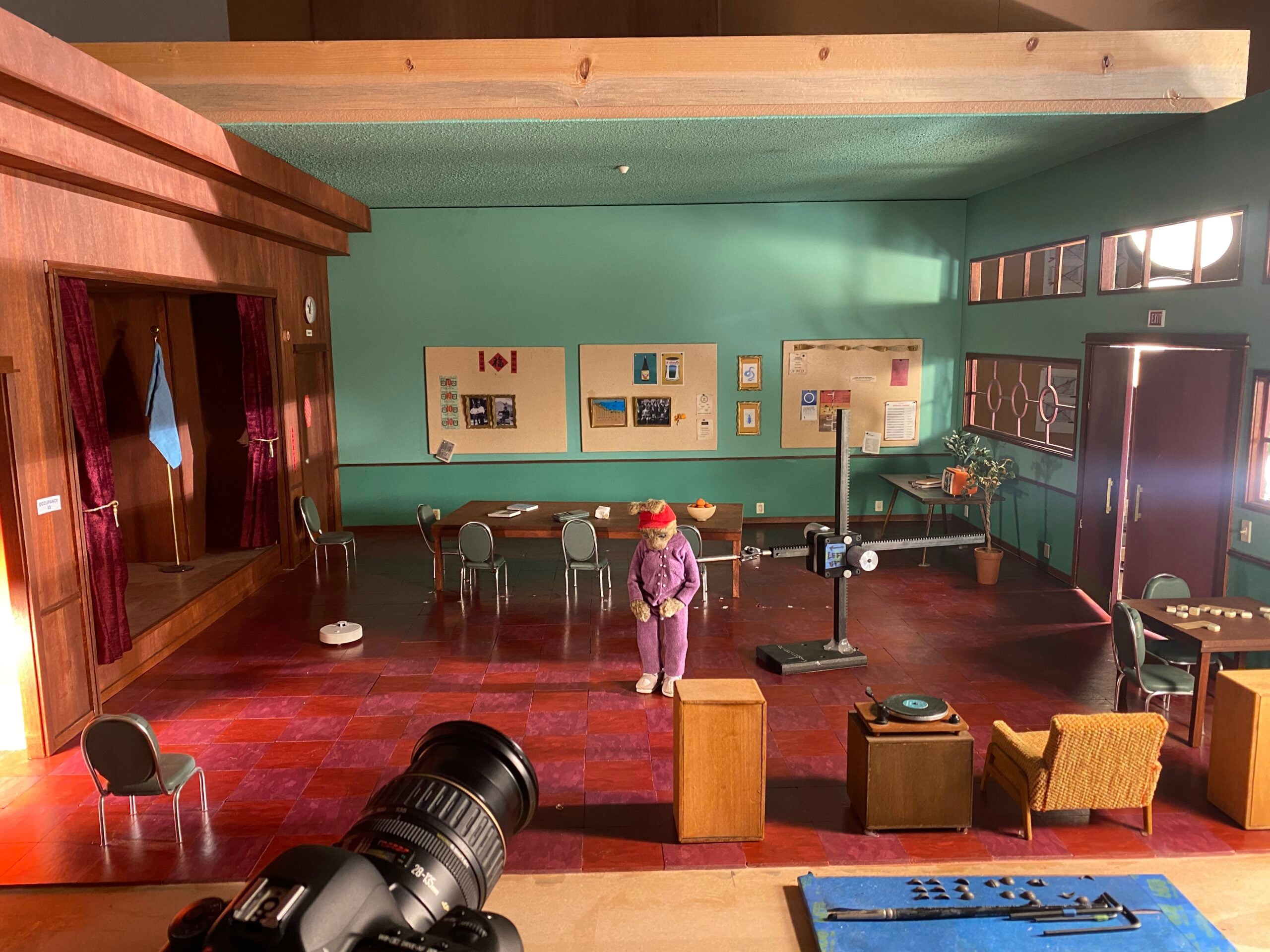
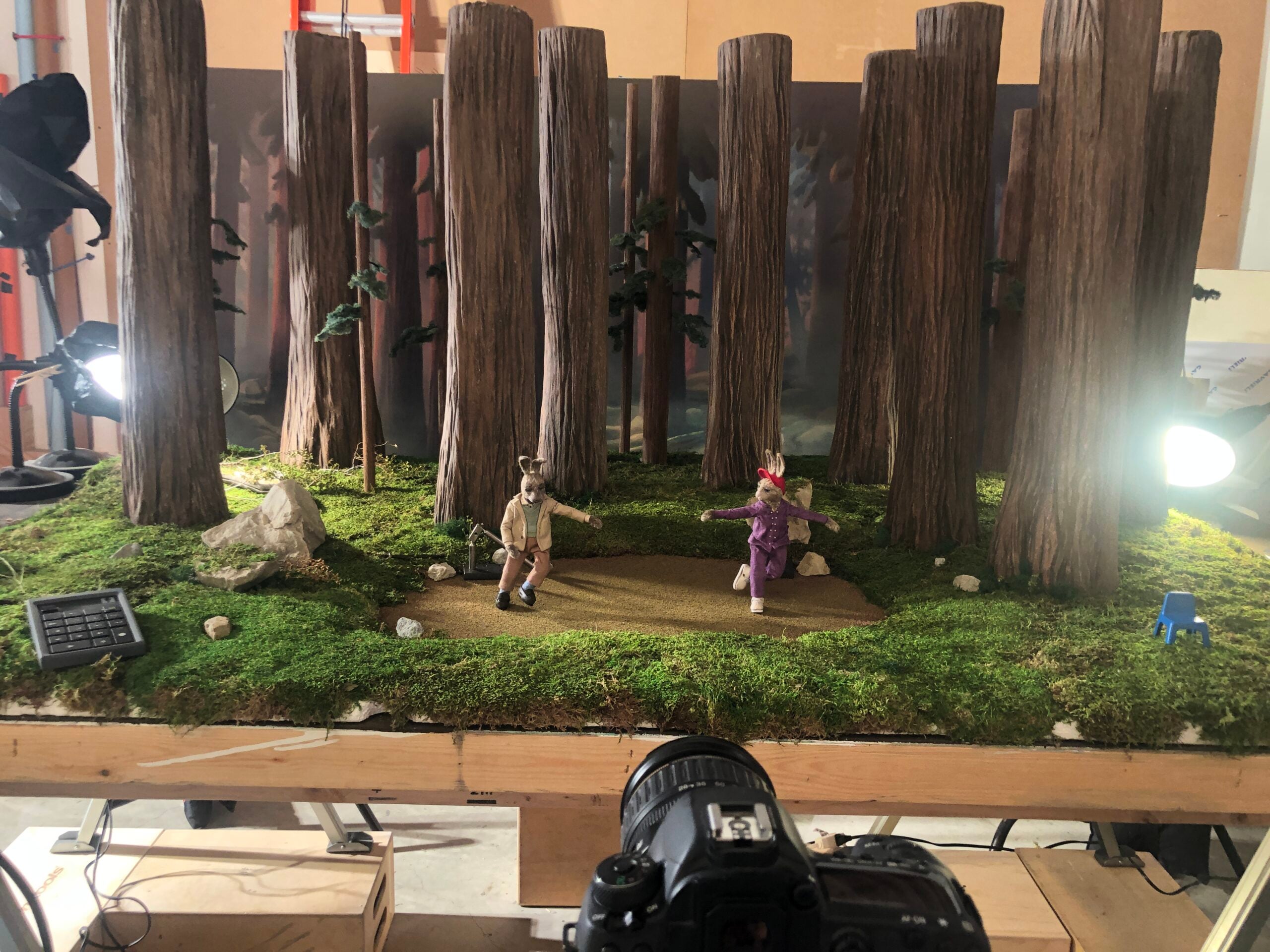
He wrote the script in 2019, then held onto it until the pandemic when, “time had opened up and everything else had shut down.” Then, in their Highland Park having just finished a series of stop-motion animations for a Netflix show called Song Exploder, Pecknold decided to start making Tennis, Oranges with the same small crew. “We started with building the main community center interior, and the two main puppets with our art director Emily Franz.
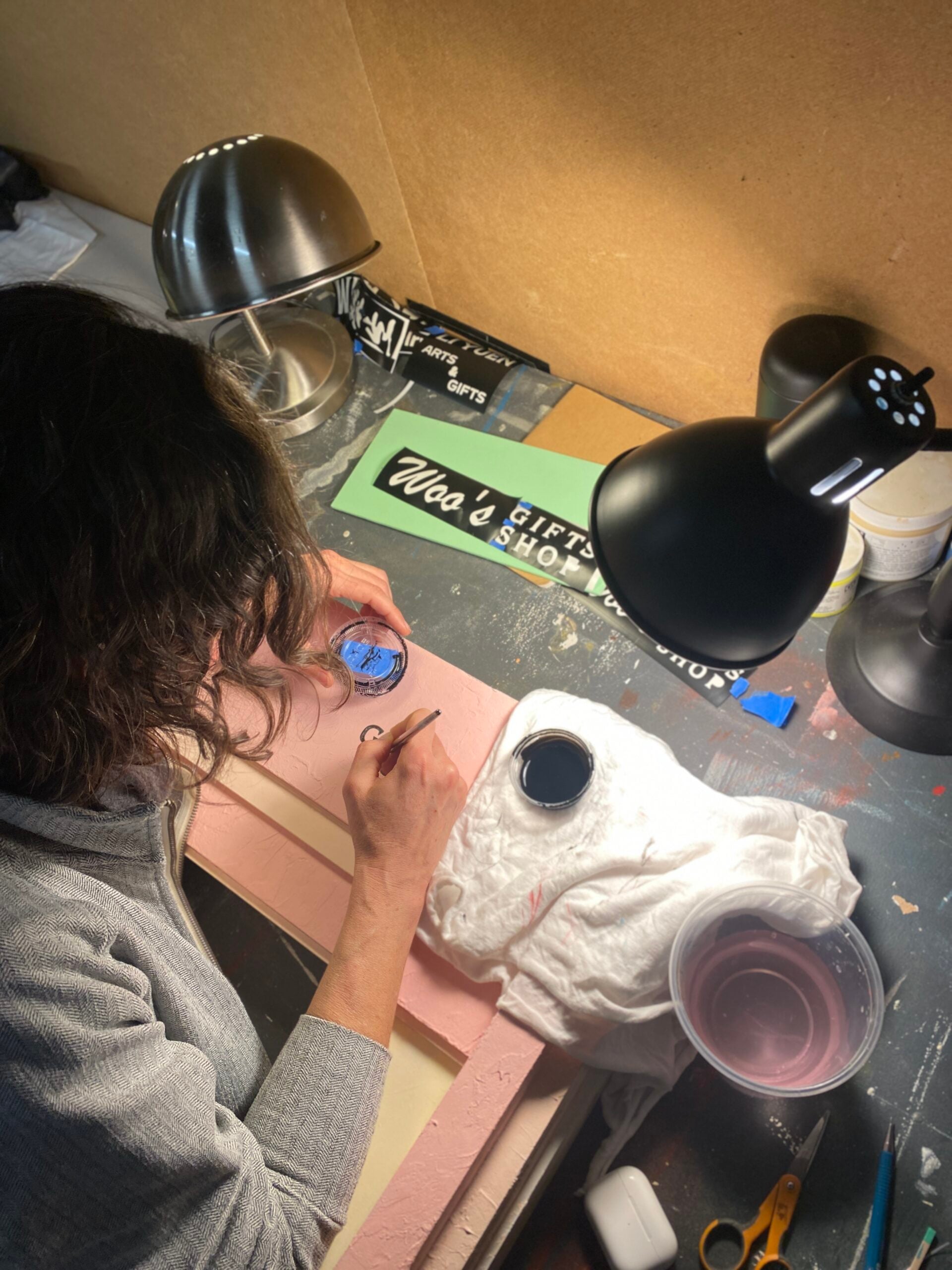
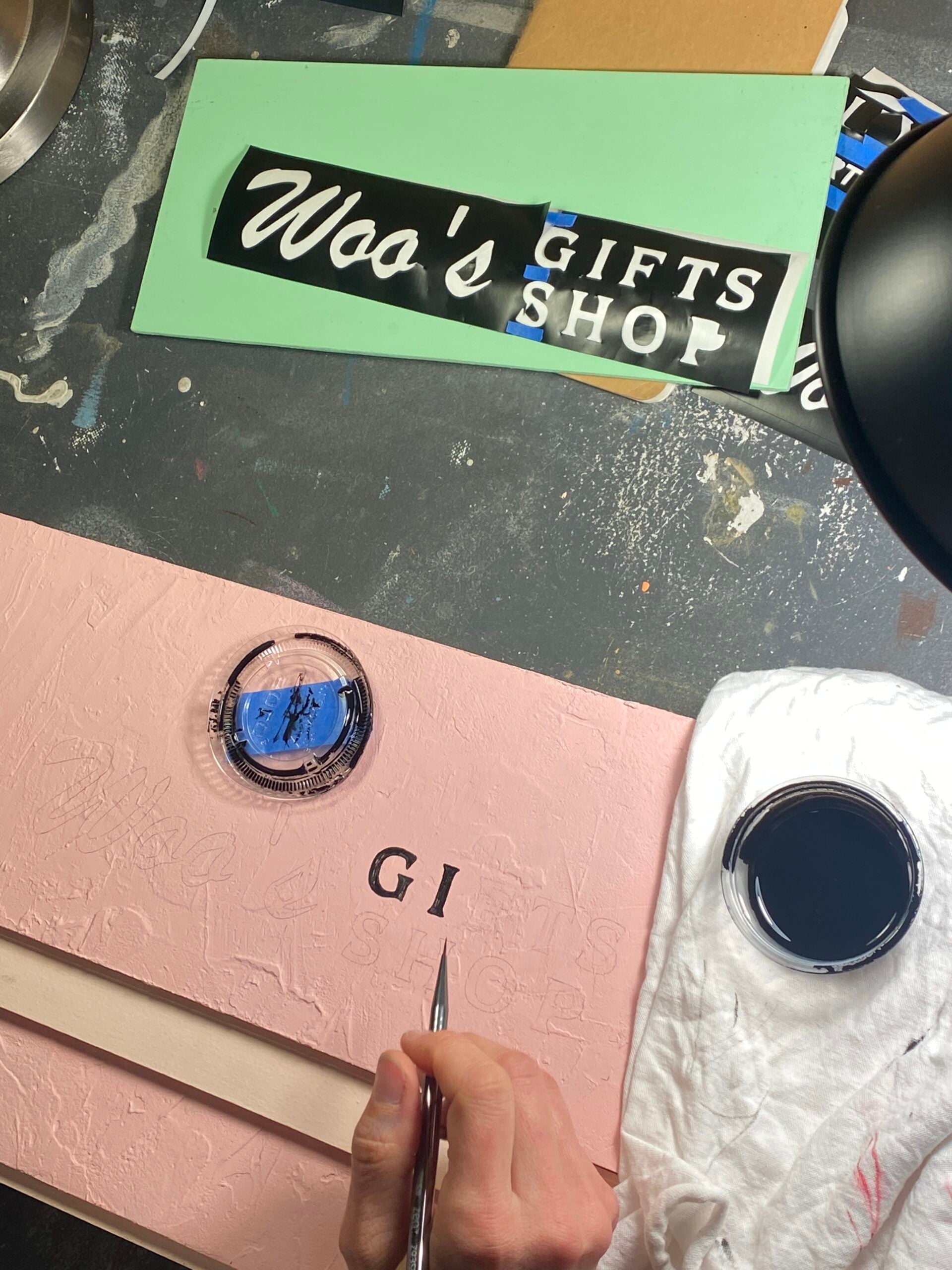
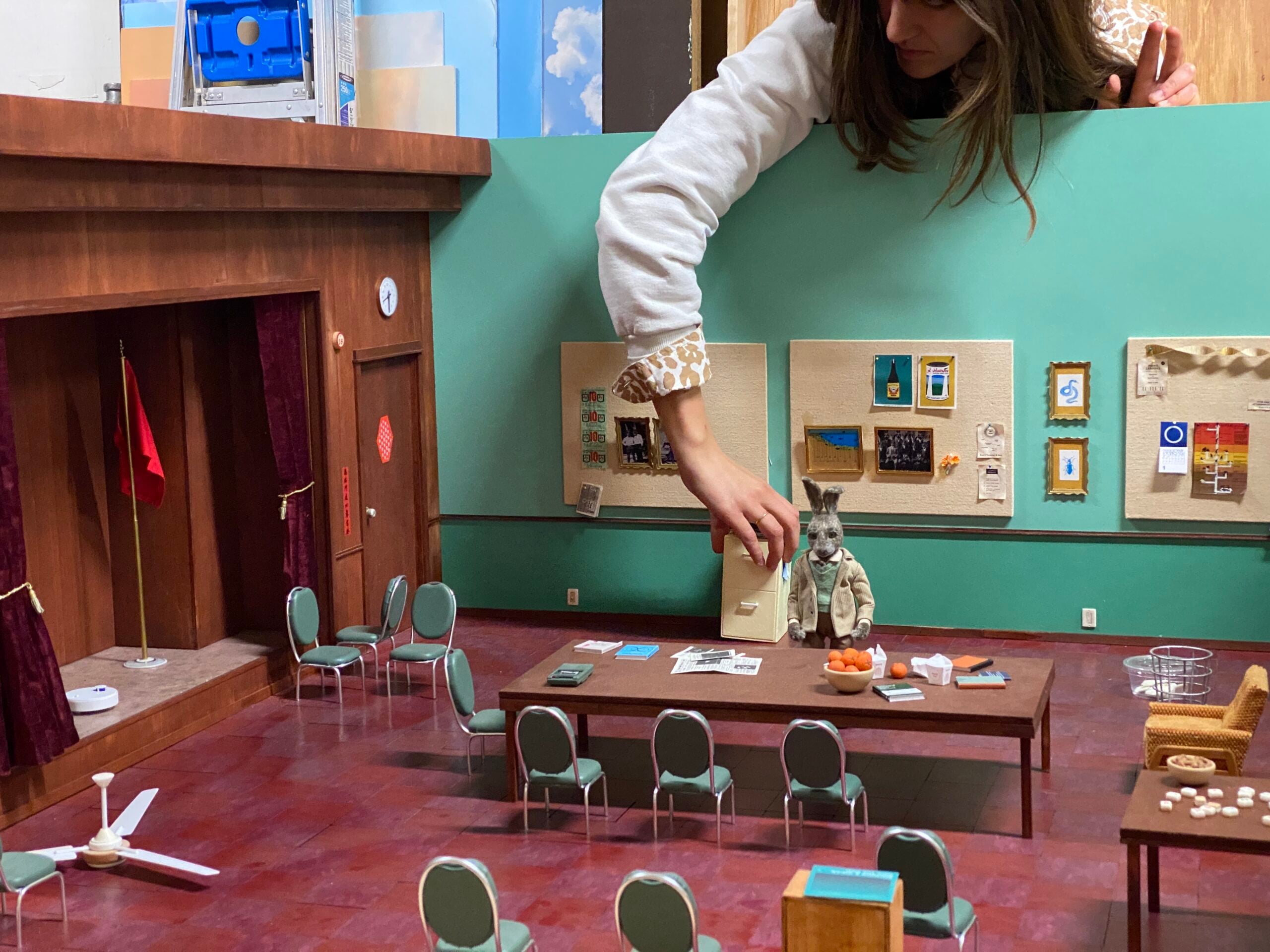
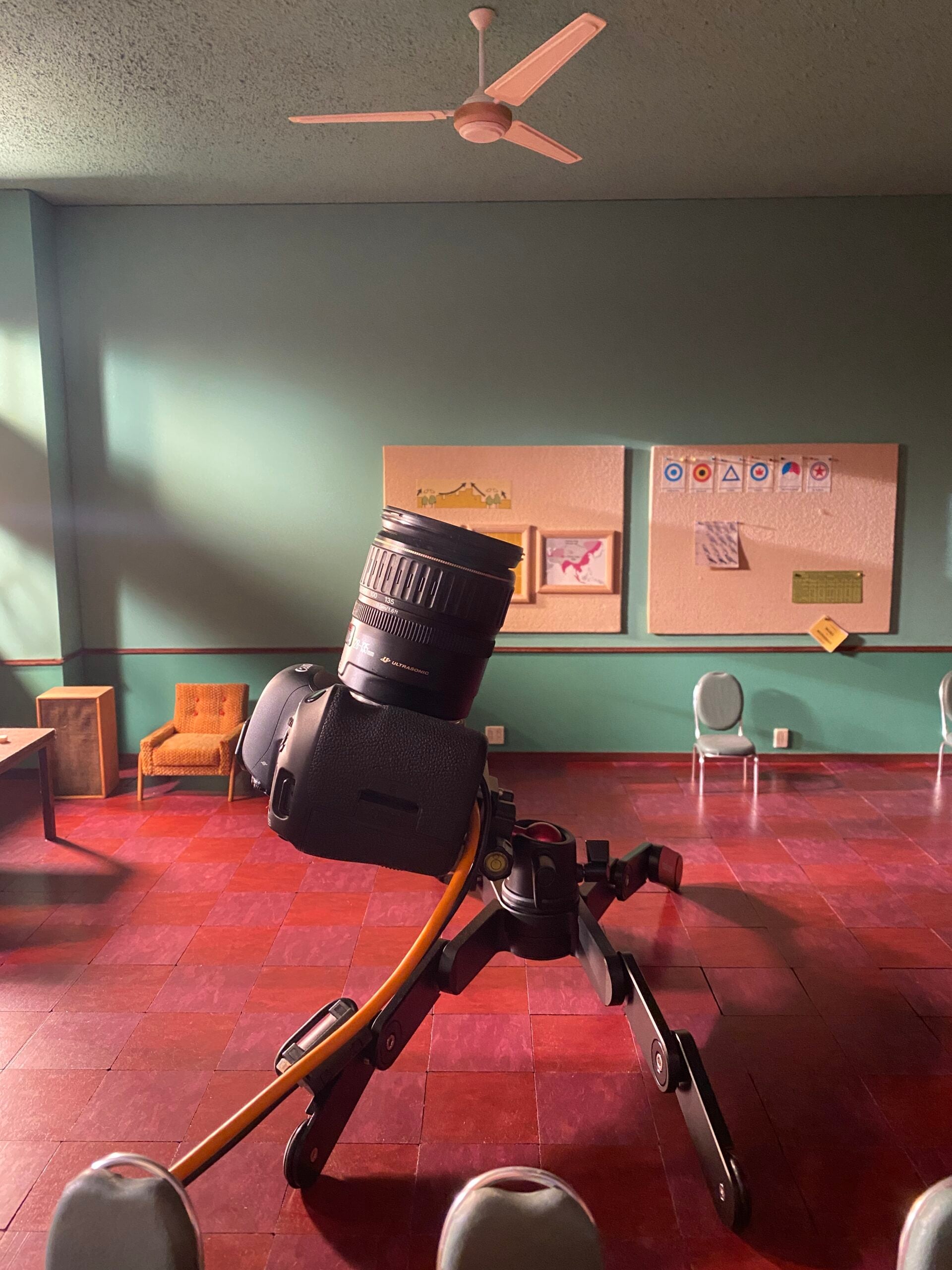
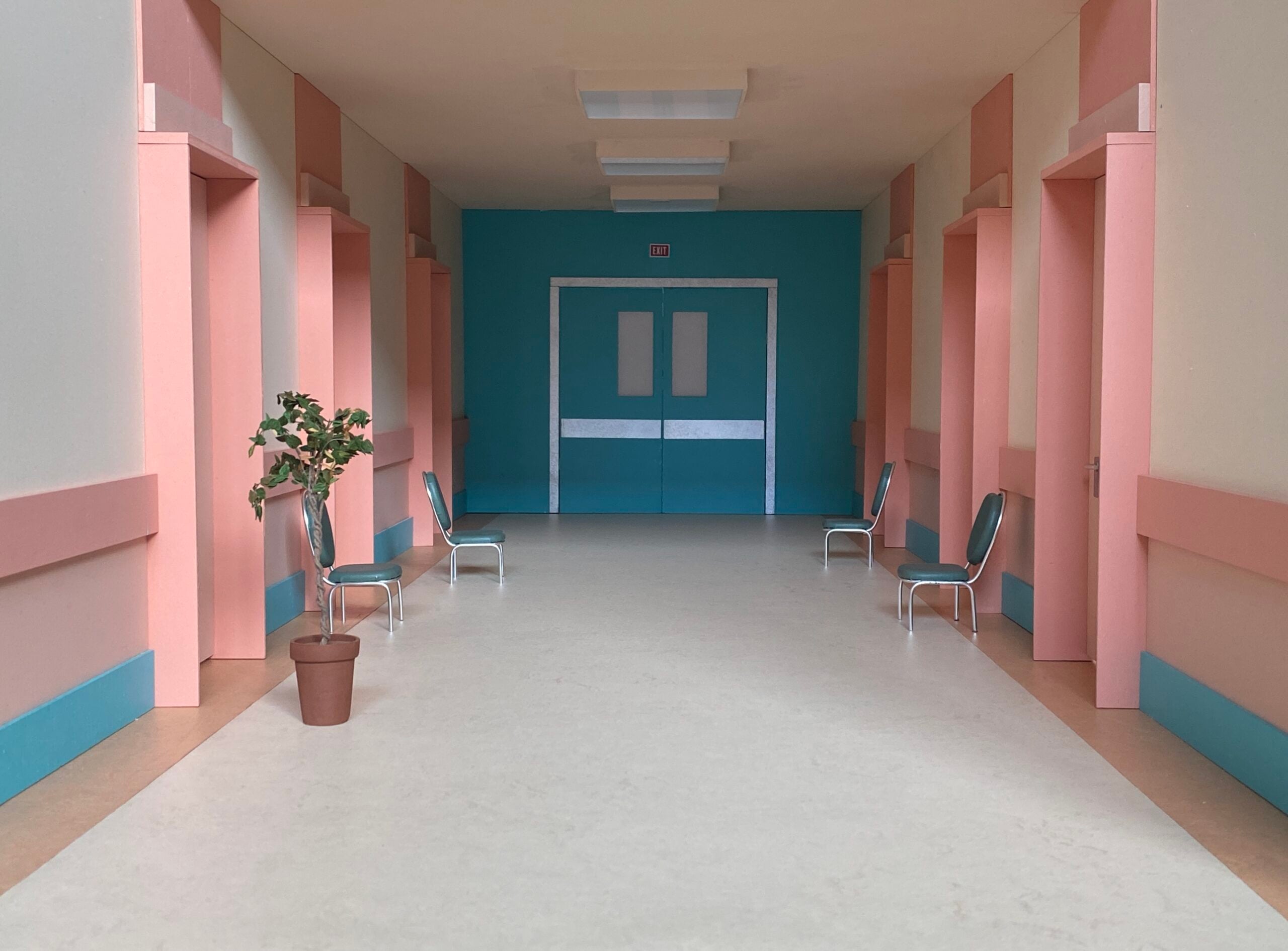
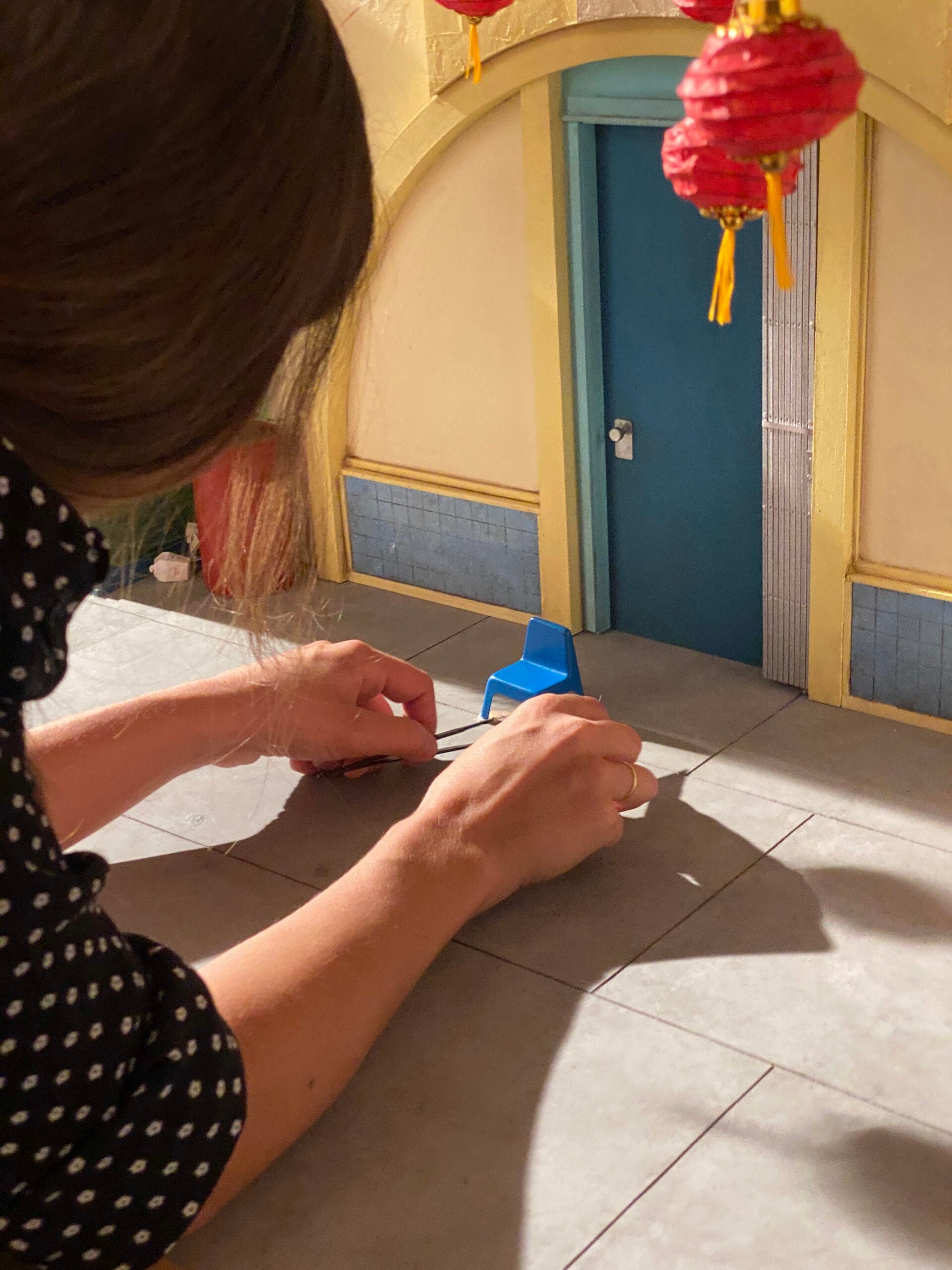
“We used synthetic fur for the rabbits, and hand painted eyes beautifully made by Emily. As a studio we work a lot in live-action, so applied the same fundamentals to the way we built the sets and the way I framed and lit the scenes. Adi, who was our production designer, is a real color wiz and developed a really interesting color palette for the film, partly inspired by the real Chung King Road, but also inspired from old photos of 1970’s hospitals, tennis courts, other Chinatowns, etc.
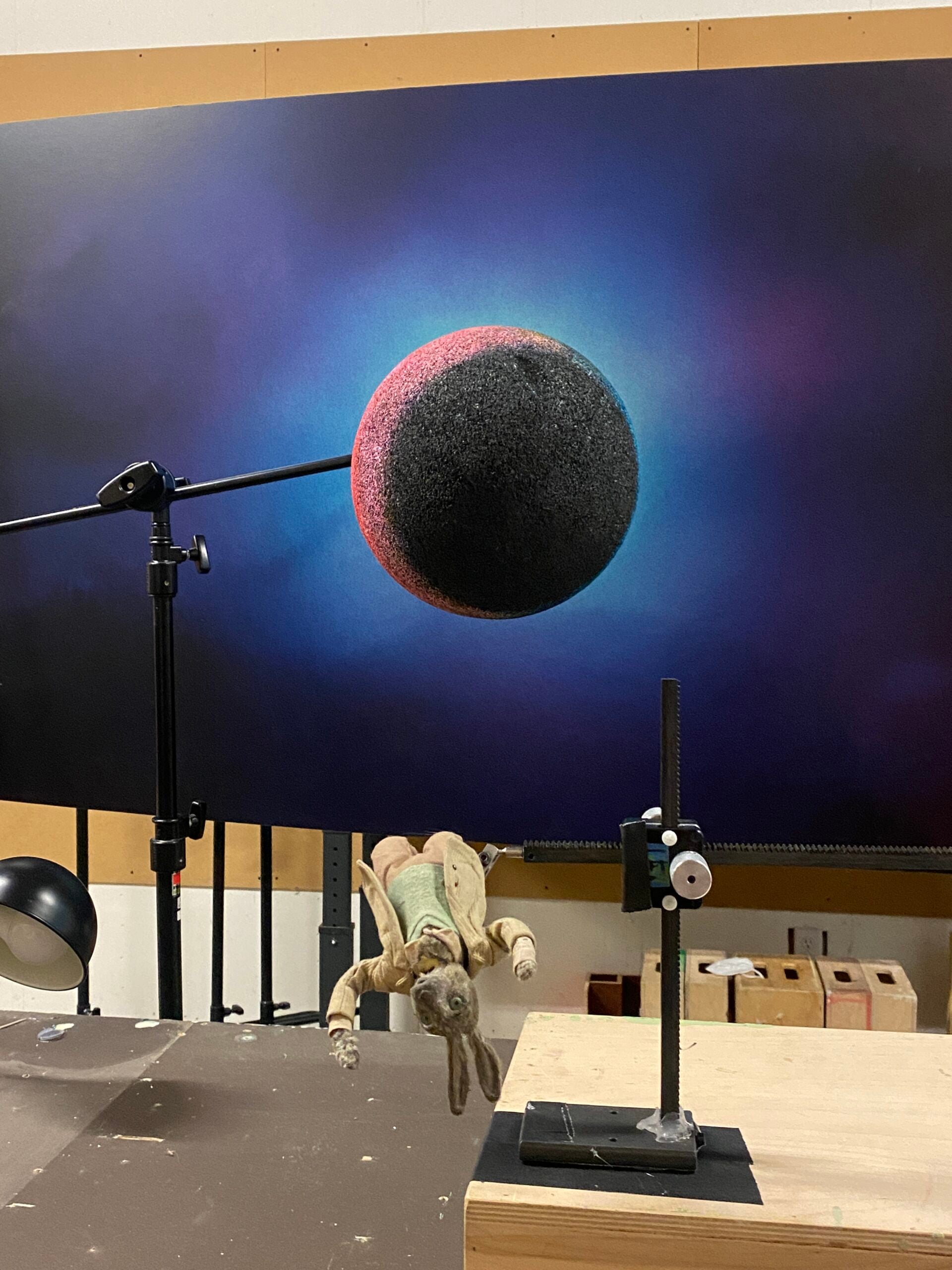
“When we set up the first forest dancing scene we were also animating a multiplane paper stop-motion project called Featherweight. But once that wrapped we had a little more space to spread out and continue working on the short. We only had one shooting stage for the short, so only one set working at a time, and because we only had one set of puppets, that’s the best we could do.”
In addition to space, Pecknold recounts the challenges of, “maintaining momentum when momentum was lost. With a self-funded and self-produced short like this, it was tough to spend a month or so animating and then several months with this project on hold needing to make money doing other commissioned work, and then coming back to the project, and needing to pick up from where we left off.
“There were so many times when I lost inspiration or that initial spark to make it. It became just some shots on a hard drive. And with stop-motion and any film or animation project really, keeping up momentum is everything. Because when you stop, doubt can creep in, and the realities of needing to find a way to finish can get the better of you.”
The perseverance paid off, as the end result spent about two years on the festival circuit where it received 190 Official Selections, and has been lauded as Short Of The Week and a Vimeo Staff Pick Premiere. For Pecknold, there was no giving up, even when tempted.
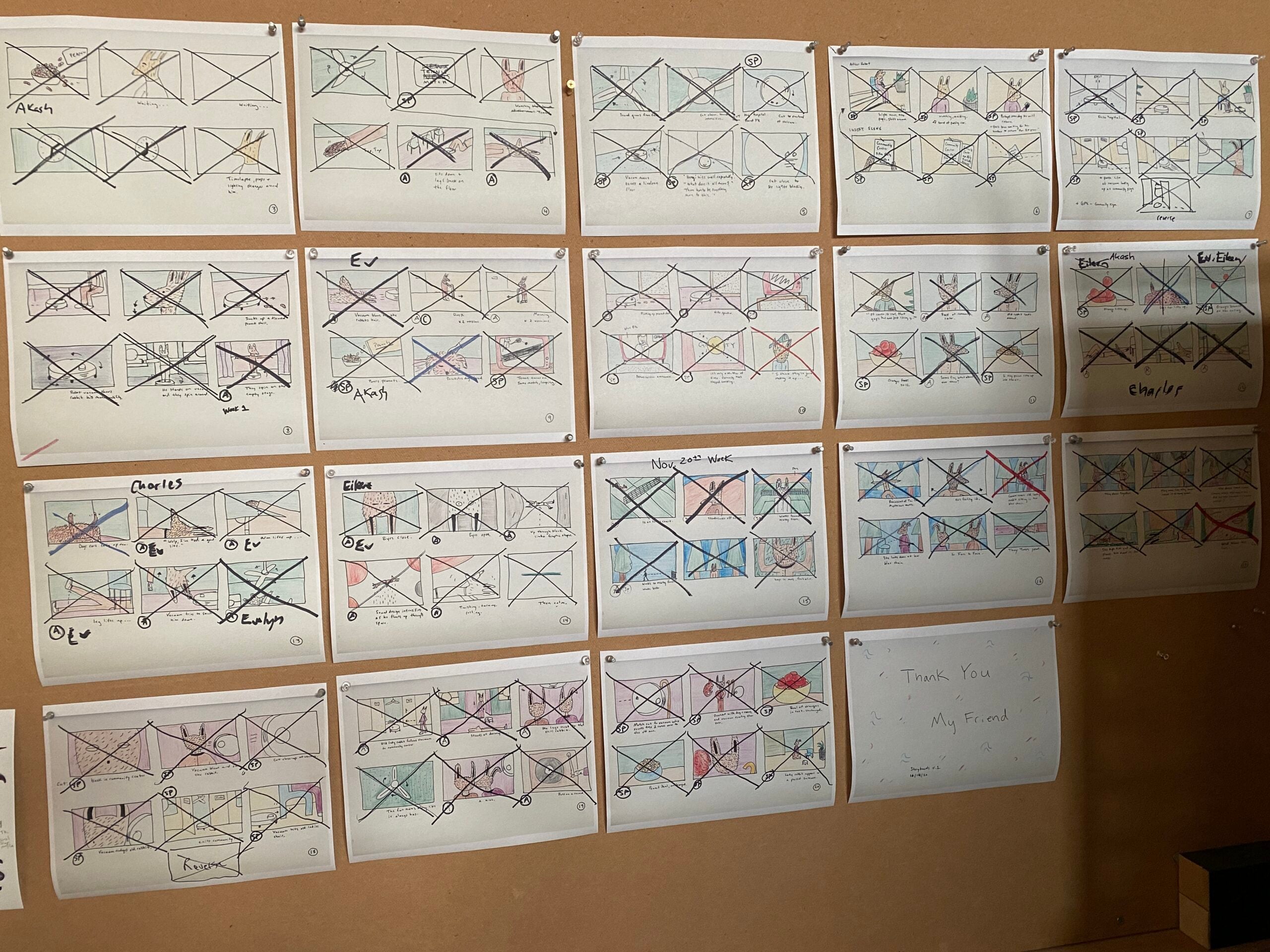
“I’ve always believed with stop-motion, there is always a way to keep moving forward. And when I would have an open two weeks or a month, I would bring in a new animator to continue chipping away at the sequences. We even had a few people roll off much larger stop-motion projects in Portland or LA here, and they would come in and see our small studio and were quite surprised at how minuscule our team was compared with the level of work we were making.”
This technique of bringing in fresh blood got the project across the finish line. “We had a lot of incredible stop-motion animators come in on the film including: Alfonso Estrada, Akash Jones, Daniel Olivas, Sarah De Gaudemar, Evelyn J Ross, Eileen Kohlhep, Shea Ramsey, and Charles D’Avignon. Bringing new collaborators in was the thing that would always re-ignite the process and help us get momentum back.”
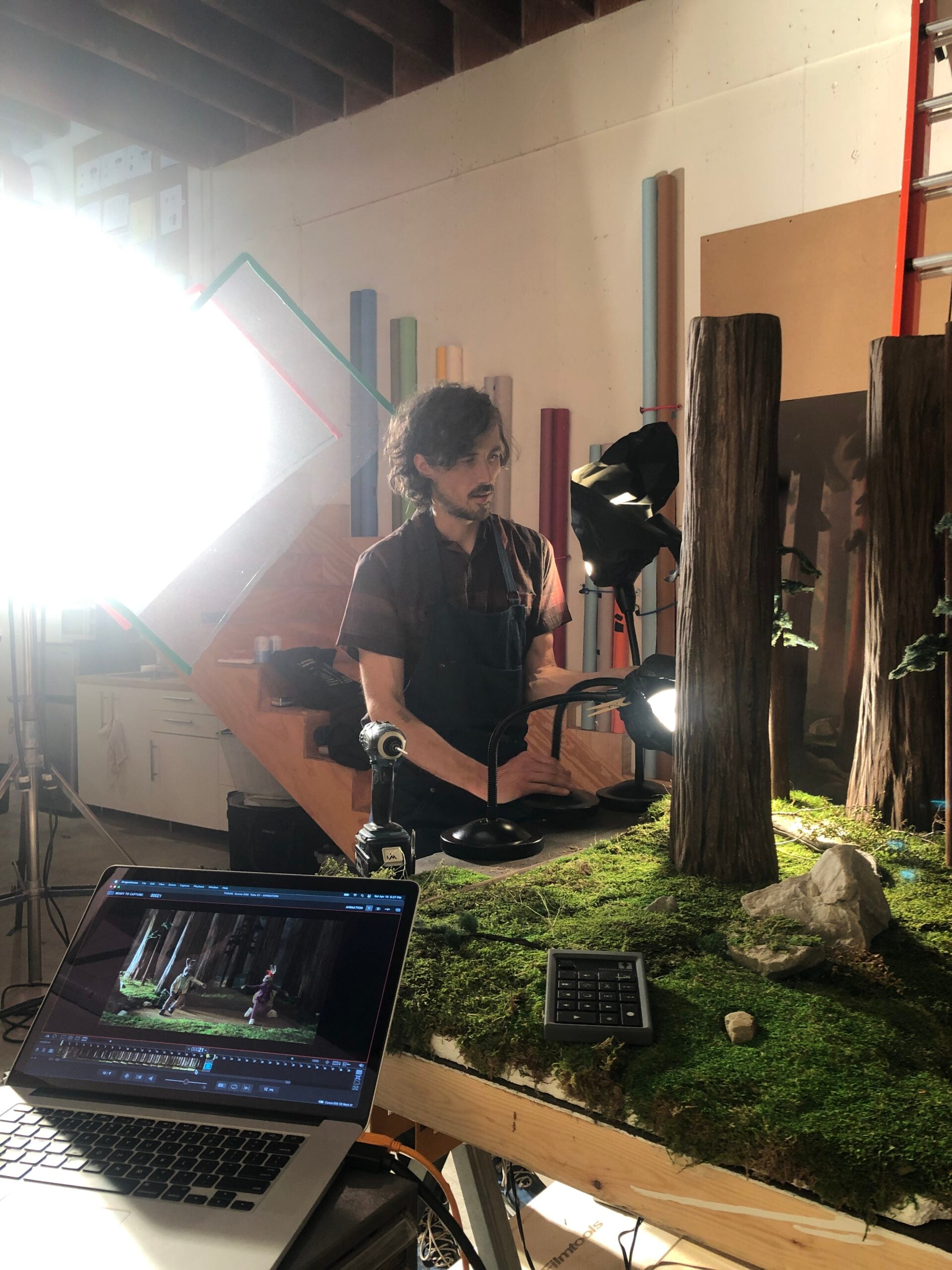
But it wasn’t easy! “I thought the film might take 8 or 9 months, but because of the starts and stops it ended up taking 3 years. And we finally finished the film in the fall of 2023… Shoutout to you guys at Dragonframe for being such an essential tool for stop-motion animation.
“I still remember making my very first stop-motion using Dragonframe, and the software was so intuitive and easy that it helped me become an animator. It’s wild to think that animators used to animate blind until seeing the film come back. That is insane, but also was probably very freeing and fun.”
Full Credits:
Written & Directed by: Sean Pecknold
Production & Set Design by: Adi Goodrich
Art Director: Emily Franz
Puppet design & fabrication by: Emily Franz
Produced by: Sean Pecknold
Miniature props by:
Emily Franz
Meaghan Ross
Animation by:
Alfonso Estrada
Akash Jones
Daniel Olivas
Sean Pecknold
Sarah De Gaudemar
Evelyn J Ross
Eileen Kohlhepp
Shea Ramsey
Charles D’Avignon
Cinematography: Sean Pecknold
Lighting: Sean Pecknold
Sound Design & Mix: Studio Kamp
Edit: Aaron Beckum & Sean Pecknold
Wardrobe Design: Elizabeth Warn
Costume Fabrication: Becky Van Cleve
Matte Paintings: Sean Lewis
Additional Animation: Colin Thomas
Set build by: Adi Goodrich Emily Franz Patrick Blanchard
Colorist: Kaitlyn Battistelli at Ethos Studio
Made possible in part by a grant from: Rooftop Films
Produced at: Sing-Sing
In Los Angeles, CA
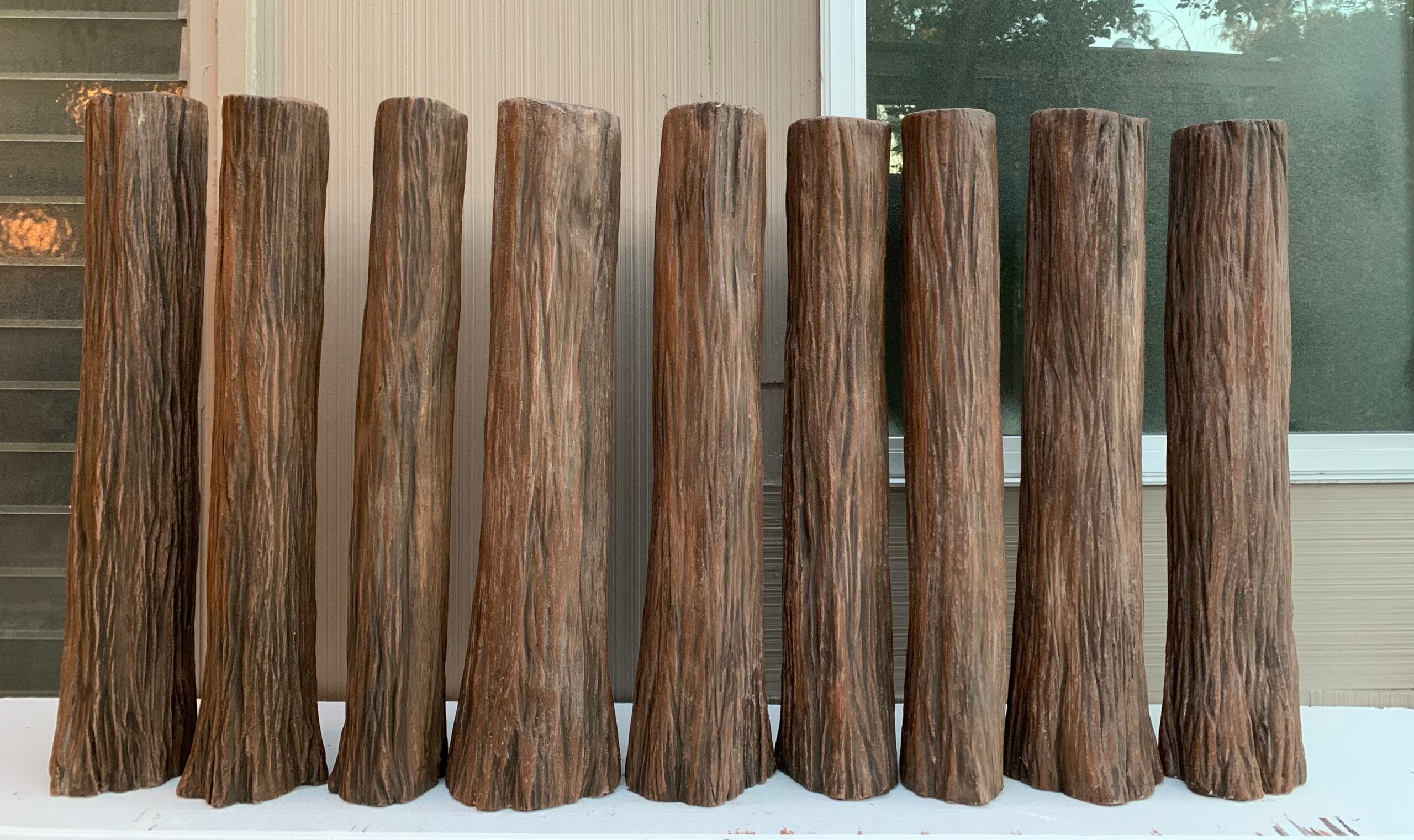
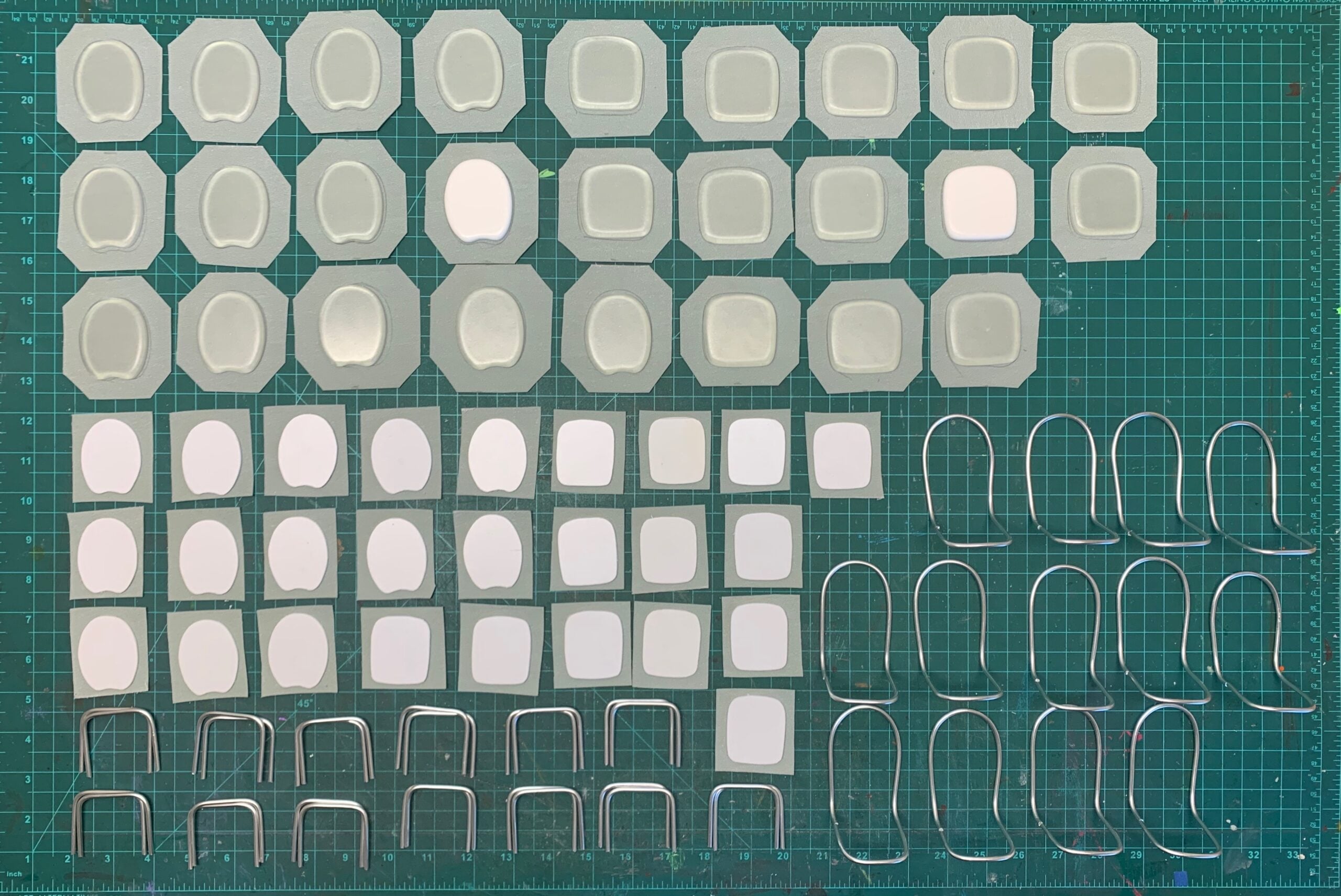
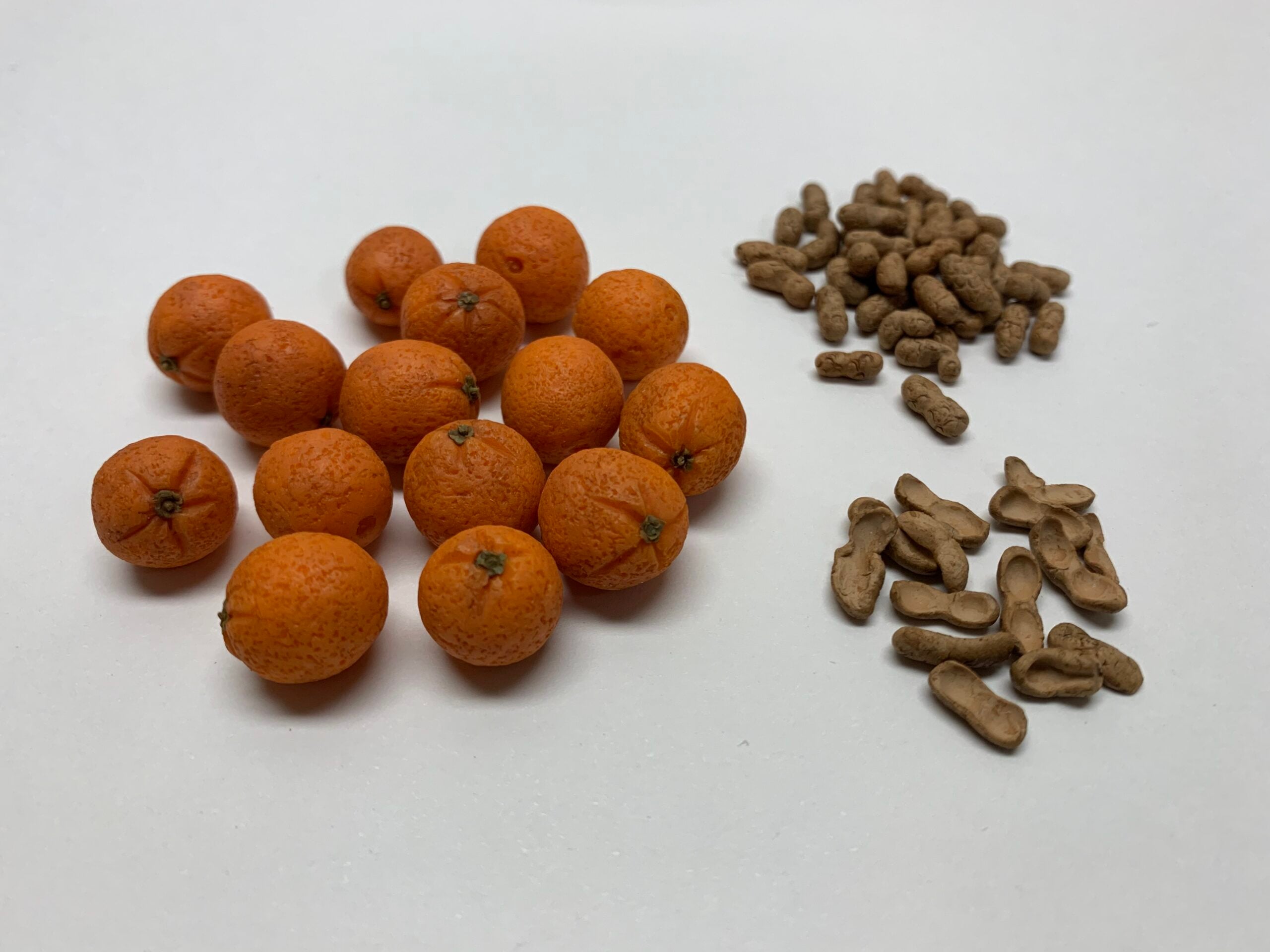
For more on the production, check out these bts images: